
Walnut Grove BC Drainage Solutions:Yard Water Drainage Solutions: Identifying and Solving Yard Drainage Problems.
- Mickey Mouse

- Apr 5
- 4 min read
If your yard turns into a muddy mess every time it rains, you’re not alone. Yard water drainage issues are a common headache for many homeowners. But don’t worry! I’m here to help you understand what’s going on and how to fix it. Let’s dive into the world of yard water drainage solutions and get your outdoor space back to normal.
Why Yard Water Drainage Solutions Matter
Water pooling in your yard isn’t just annoying - it can cause serious damage. Standing water can kill your grass, damage your foundation, and even attract pests. Plus, it makes your yard unusable for fun or relaxation. That’s why yard water drainage solutions are so important.
When water doesn’t drain properly, it usually means the land slopes the wrong way or the soil can’t absorb water fast enough. Sometimes, clogged gutters or blocked drains add to the problem. Fixing these issues early saves you money and stress down the road.
Here’s what you need to look for:
Puddles that last more than 24 hours after rain
Soggy or muddy patches in your lawn
Water pooling near your home’s foundation
Soil erosion or exposed roots
Basement or crawl space dampness
If you spot any of these signs, it’s time to take action.
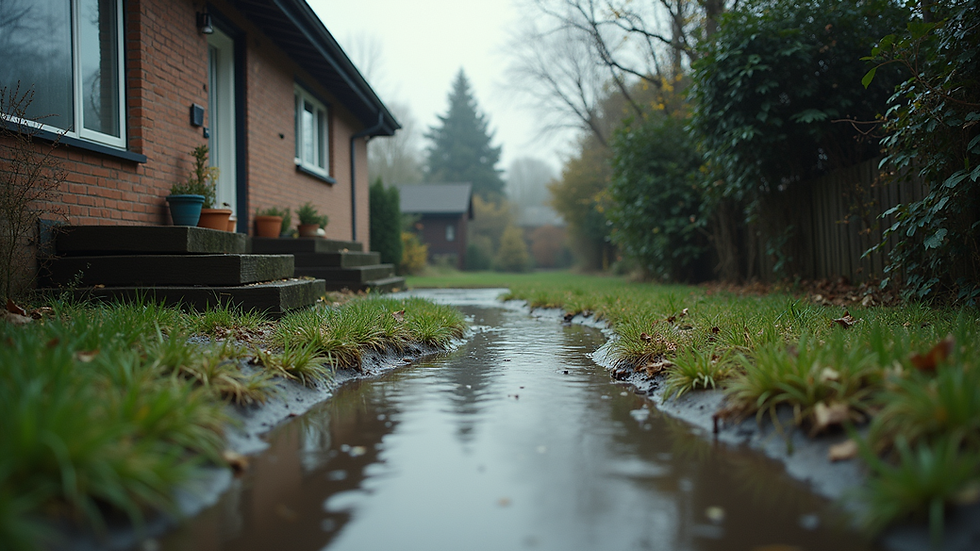
Common Yard Water Drainage Solutions
There are several ways to improve drainage in your yard, depending on the cause and severity of the problem. Here are some of the most effective yard water drainage solutions you can consider:
1. Regrading Your Yard
Sometimes, the slope of your yard causes water to flow toward your home instead of away. Regrading means reshaping the land to create a gentle slope that directs water away from your house. This is a big job but often the most effective long-term fix.
2. Installing French Drains
A French drain is a trench filled with gravel and a perforated pipe that redirects water away from problem areas. It’s great for yards with poor soil drainage or low spots where water collects.
3. Adding Dry Wells
Dry wells collect excess water and slowly release it underground. They work well when you have heavy rainfalls and need to manage large volumes of water.
4. Using Rain Gardens
Rain gardens are planted areas designed to absorb rainwater. They use native plants that thrive in wet conditions and help filter water naturally.
5. Cleaning Gutters and Downspouts
Clogged gutters can cause water to overflow and pool near your foundation. Regular cleaning and extending downspouts away from your home can prevent this.
6. Installing Surface Drains
Surface drains collect water from patios, driveways, or other flat areas and channel it away. They’re useful for managing runoff in hardscaped areas.
Each of these solutions can be tailored to your yard’s specific needs. Sometimes, combining a few methods works best.

How do I fix drainage problems in my yard?
Fixing drainage problems in your yard starts with identifying the root cause. Here’s a simple step-by-step approach you can follow:
Step 1: Observe Your Yard After Rain
Watch where water pools and how long it stays. Mark these spots so you know where to focus your efforts.
Step 2: Check Your Soil Type
Clay soils drain slowly, while sandy soils drain quickly. Knowing your soil type helps you choose the right solution.
Step 3: Inspect Gutters and Downspouts
Make sure gutters are clean and downspouts direct water at least 2 meters away from your foundation.
Step 4: Consider Regrading
If water flows toward your home, regrading might be necessary. This usually requires professional help to ensure proper slope and drainage.
Step 5: Install Drainage Systems
For persistent problems, installing French drains, dry wells, or surface drains can redirect water effectively.
Step 6: Plant a Rain Garden
If you want a natural solution, create a rain garden in low spots to absorb excess water.
Step 7: Maintain Your Yard
Keep drains clear, gutters clean, and plants healthy to prevent future issues.
If you’re unsure about any step, consulting a professional can save you time and money. Remember, tackling drainage problems early prevents bigger headaches later.
Why You Should Act Now on Yard Drainage Issues
Ignoring drainage problems in your yard can lead to costly repairs. Water damage to your home’s foundation can cause cracks and structural issues. Plus, soggy soil can kill your lawn and plants, leaving your yard looking sad and unusable.
Acting now means you protect your investment and enjoy your outdoor space without worry. Plus, good drainage helps prevent pests like mosquitoes that breed in standing water.
If you want to learn more about drainage problems in yard, check out resources from trusted local experts. They understand the unique challenges of our climate and soil in Langley, BC.
Keeping Your Yard Dry and Beautiful
Once you’ve fixed your drainage issues, maintenance is key. Here are some tips to keep your yard dry and beautiful:
Regularly clean gutters and downspouts
Avoid compacting soil by limiting heavy foot traffic
Aerate your lawn to improve water absorption
Mulch garden beds to retain moisture but prevent runoff
Inspect drainage systems annually and clear any blockages
By staying on top of these tasks, you’ll enjoy a healthy yard that handles rain like a pro.
Fixing yard water drainage problems doesn’t have to be overwhelming. With the right approach and a bit of effort, you can say goodbye to soggy spots and hello to a dry, inviting yard. Remember, the key is to identify the problem early and choose the right yard water drainage solutions for your space. Your yard will thank you!


Comments