
Fixing Yard Water Drainage Problems Step by Step
- Mickey Mouse

- May 25
- 4 min read
If your yard is constantly soggy or flooding after a rain, you’re not alone. Yard water drainage issues can be a real headache. But don’t worry! Fixing yard water drainage problems is something you can tackle step by step. I’ll walk you through the process with clear, simple advice. By the end, you’ll know exactly what to do to keep your yard dry and healthy.
Understanding Yard Water Drainage and Why It Matters
Before jumping into fixes, it’s important to understand what yard water drainage really means. Simply put, it’s how water moves across and away from your property. When water doesn’t drain properly, it pools in low spots, soaks into your foundation, or even floods your basement. This can damage your lawn, plants, and home structure.
Good yard water drainage protects your property and keeps your outdoor space usable. It also prevents soil erosion and stops pests like mosquitoes from breeding in standing water. If you notice puddles, muddy patches, or water stains on your house, it’s time to address your yard water drainage.

Common Causes of Poor Yard Water Drainage
Knowing what causes drainage problems helps you fix them faster. Here are some common reasons your yard might be holding water:
Improper slope: Your yard should slope away from your house. If it slopes toward your home or is flat, water will pool near the foundation.
Compacted soil: Heavy foot traffic or machinery can compact soil, making it hard for water to soak in.
Clogged gutters and downspouts: If gutters overflow, water can spill near your foundation instead of draining away.
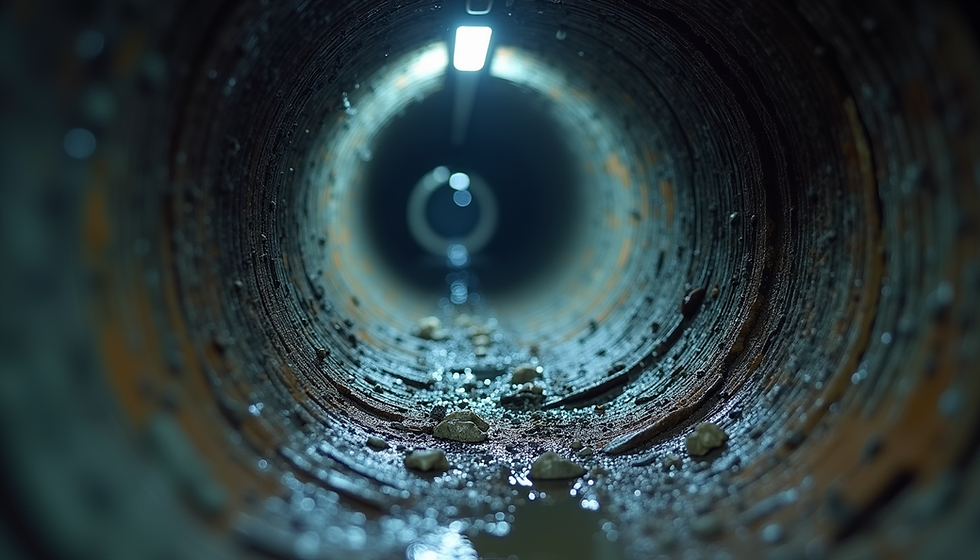
Blocked or missing drains: Sometimes, drainage systems get clogged or are not installed where needed.
Poor landscaping choices: Certain plants or hardscaping can block water flow or trap water in low spots.
Identifying the cause is the first step to fixing your yard’s drainage issues.
How do I fix drainage problems in my yard?
Now, let’s get to the heart of the matter. How do I fix drainage problems in my yard? Here’s a step-by-step guide you can follow:
Check your yard’s slope
Use a level or even a simple string line to check if your yard slopes away from your house. Ideally, the ground should drop about 2% (or 2 cm per meter) away from your foundation for at least 6 meters. If it doesn’t, you’ll need to regrade your yard.
Regrade your yard
This means adding soil to low spots and shaping the ground to create a gentle slope away from your home. Use a shovel and rake to move soil around. For bigger jobs, renting a small excavator might be necessary.
Improve soil drainage
If your soil is heavy clay or compacted, aerate it with a garden fork or aerator tool. You can also mix in organic matter like compost or sand to improve water absorption.
Clean gutters and downspouts
Make sure gutters are free of leaves and debris. Extend downspouts at least 1.5 meters away from your house to direct water away.
Install drainage solutions
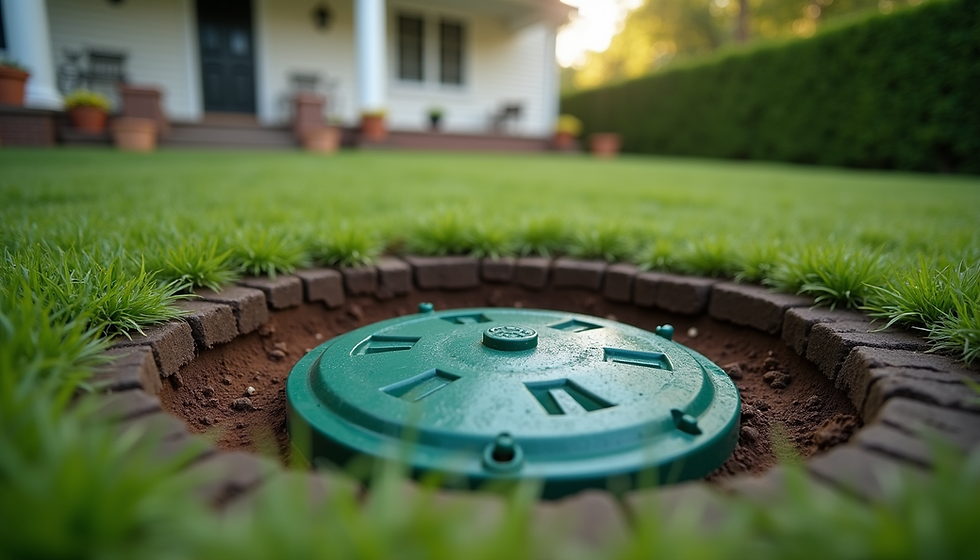
Depending on your yard, you might need to install French drains, dry wells, or catch basins. These systems collect and redirect water underground to a safe outlet.
Create rain gardens or swales
These landscaping features help absorb and slow down water flow. A rain garden is a planted depression that collects runoff, while a swale is a shallow channel that directs water.
Maintain your drainage system
Regularly check and clean your drainage features to keep them working well.

Practical Tips to Prevent Future Yard Drainage Issues
Fixing your yard drainage is one thing, but preventing future problems is just as important. Here are some tips to keep your yard dry long-term:
Regularly inspect your yard after heavy rain
Look for new puddles or erosion spots and address them quickly.
Keep gutters clean year-round
Don’t wait for clogs to cause damage.
Avoid heavy machinery on your lawn
This prevents soil compaction.
Choose plants that tolerate wet conditions
Native plants often handle local drainage better.
Use permeable materials for patios and walkways
This lets water soak into the ground instead of running off.
Consider professional help for complex drainage problems
Sometimes, expert advice or equipment is needed to solve serious issues.
When to Call in the Experts for Yard Drainage Solutions
Sometimes, drainage problems in yard situations are too big or complicated to fix on your own. If you notice persistent flooding, foundation damage, or if your yard requires major regrading, it’s time to call in professionals. They have the tools and experience to diagnose and solve drainage problems effectively.
In Langley, BC, and surrounding areas, trusted local experts can provide personalized solutions tailored to your property. They can install advanced drainage systems, repair septic issues, and ensure your yard stays dry and safe.
Fixing yard water drainage problems step by step is doable, but don’t hesitate to get help when you need it. Your home and yard will thank you!
If you want to learn more about drainage problems in yard, check out this helpful resource for detailed solutions and professional services.

Comments