
Mastering Septic System Maintenance for Your Home: Essential Septic Care Tips
- Mickey Mouse

- Mar 10
- 4 min read
Updated: Mar 23
Owning a home with a septic system means you have a responsibility to keep it running smoothly. Trust me, I’ve learned that septic system maintenance is not something to overlook. If you want to avoid costly repairs and unpleasant surprises, you need to stay on top of your septic care. Let’s dive into some straightforward, practical advice that will help you master septic system maintenance for your home.
Why Septic Care Tips Matter for Your Home
Septic systems are underground wastewater treatment structures. They’re common in areas without centralized sewer systems, like many homes in Langley, BC. When your septic system works well, it quietly does its job. But if it fails, you could face backups, foul smells, and expensive repairs.
Here’s the deal: regular septic care tips can save you money and stress. For example, pumping your tank every 3-5 years prevents solids from clogging the drain field. Also, being mindful of what goes down your drains protects the system from damage.
Taking care of your septic system means:
Protecting your property’s value
Avoiding health hazards
Preventing environmental contamination
It’s easier than you think to keep your system in good shape. Let’s get into the details!
Top Septic Care Tips You Can Start Today
You don’t need to be a plumber to care for your septic system. Here are some simple, effective septic care tips that anyone can follow:
Limit Water Usage
Too much water can overload your system. Spread out laundry loads and fix leaks quickly.
Watch What You Flush
Never flush wipes, feminine products, grease, or chemicals. These can clog or kill the beneficial bacteria in your tank.
Protect the Drain Field
Don’t park or drive heavy equipment over the drain field. Plant only grass there to avoid root damage.
Schedule Regular Inspections and Pumping
Have a professional check your system every 1-3 years and pump the tank as needed.
Use Septic-Safe Products
Choose biodegradable soaps and cleaners that won’t harm your system.
By following these tips, you’ll extend the life of your septic system and avoid costly repairs. Remember, prevention is always better than cure!
What Should I Put in My Septic Tank Every Month?
You might wonder if there’s anything you should add to your septic tank regularly. The truth is, your septic tank relies on natural bacteria to break down waste. So, maintaining a healthy bacterial balance is key.
Here’s what you can do monthly:
Avoid Harsh Chemicals: Bleach and antibacterial soaps kill helpful bacteria. Use them sparingly.
Add Bacterial Additives (Optional): Some homeowners use septic tank additives to boost bacteria. While not always necessary, they can help if your system is struggling.
Flush Warm Water: Running warm water down the drain helps keep solids moving and supports bacterial activity.
Avoid pouring cooking oils, grease, or large amounts of food waste down the drain. These can overwhelm your system and cause blockages.
If you’re unsure about additives or other products, consult a local septic professional. They know what works best for Langley’s soil and climate.
How to Spot Warning Signs Early and Act Fast
Ignoring problems won’t make them go away. In fact, septic issues tend to get worse quickly. Here are some warning signs you should never ignore:
Slow drains or backups in sinks, tubs, or toilets
Gurgling sounds in plumbing
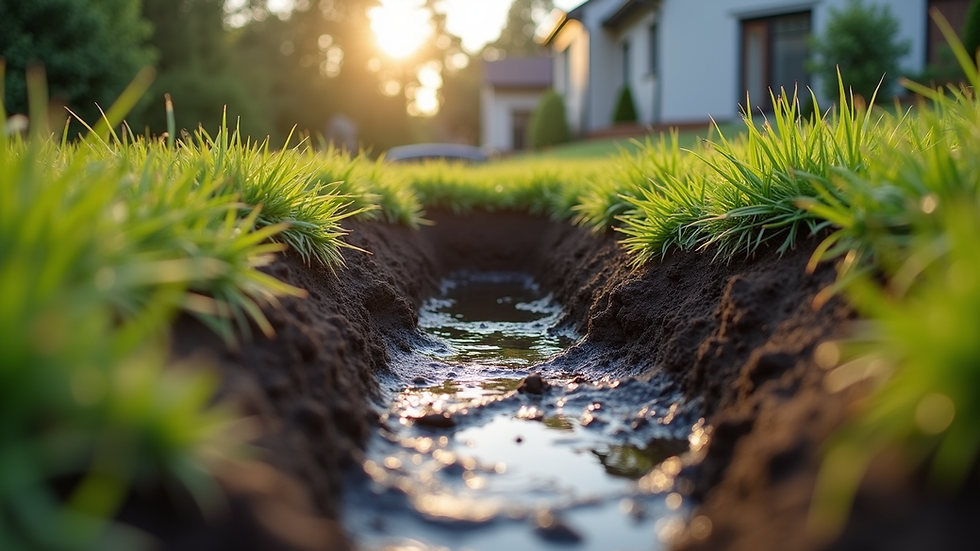
Pooling water or soggy spots near the drain field
Foul odors around your yard or inside your home
Lush, green grass over the drain field even during dry weather
If you notice any of these, call a septic expert immediately. Early action can prevent a full system failure and save you thousands.
Regular maintenance and inspections help catch these issues before they become emergencies. Don’t wait until you’re dealing with a messy backup!

DIY Maintenance vs. Professional Help: What You Need to Know
I get it - you might want to save money by doing some septic care yourself. While some tasks are easy, others require professional expertise.
DIY tasks you can handle:
Monitoring water usage
Avoiding harmful flushables
Keeping the drain field clear of heavy objects and deep-rooted plants
Tasks best left to professionals:
Pumping the septic tank
Inspecting the tank and drain field
Repairing or replacing system components
Conducting soil tests or system upgrades
Hiring a trusted local company ensures the job is done right. Professionals have the right tools and knowledge to keep your system healthy and compliant with local regulations.
Remember, a well-maintained septic system protects your home and the environment. Don’t cut corners on this!
Staying Ahead with a Maintenance Schedule
2
One of the best ways to master septic system maintenance is to create a schedule and stick to it. Here’s a simple plan you can follow:
| Task | Frequency |
|---------------------------|--------------------|
| Inspect septic tank | Every 1-3 years |
| Pump septic tank | Every 3-5 years |
| Check water usage habits | Monthly |
| Avoid harmful flushables | Always |
| Professional system check | Every 3 years |
Mark these on your calendar or set reminders on your phone. Consistency is key!
If you’re unsure when your tank was last pumped or inspected, now’s the time to find out. Keeping records helps you stay on top of maintenance and avoid surprises.
Taking care of your septic system doesn’t have to be complicated. With these septic care tips, you can protect your home and enjoy peace of mind. Remember, regular septic system maintenance is the secret to a healthy, trouble-free system.
Stay proactive, stay informed, and your septic system will serve you well for years to come!https://amaexcavationanddrainage.com


Comments