
Handling Emergency Septic System Issues Effectively - Urgent Septic Services Guide
- Mickey Mouse

- Apr 6
- 4 min read
Septic system problems can strike without warning. When they do, you need to act fast and smart. I’ve been there, and I know how stressful it can be. A backed-up septic tank or a leaking drain field is not just inconvenient - it can cause serious damage to your home and yard. That’s why I want to share some practical tips and insights on handling emergency septic system issues effectively. This urgent septic services guide will help you stay calm, understand what’s going on, and take the right steps to fix the problem quickly.
Recognizing the Signs of a Septic Emergency - Urgent Septic Services Guide
Knowing the warning signs of septic trouble is the first step to handling an emergency. You don’t want to wait until the problem gets worse. Here are some common signs that your septic system needs immediate attention:
Slow drains or backups: If your sinks, tubs, or toilets are draining slowly or backing up, it’s a red flag.
Foul odors: A strong, unpleasant smell around your septic tank or drain field means something is wrong.
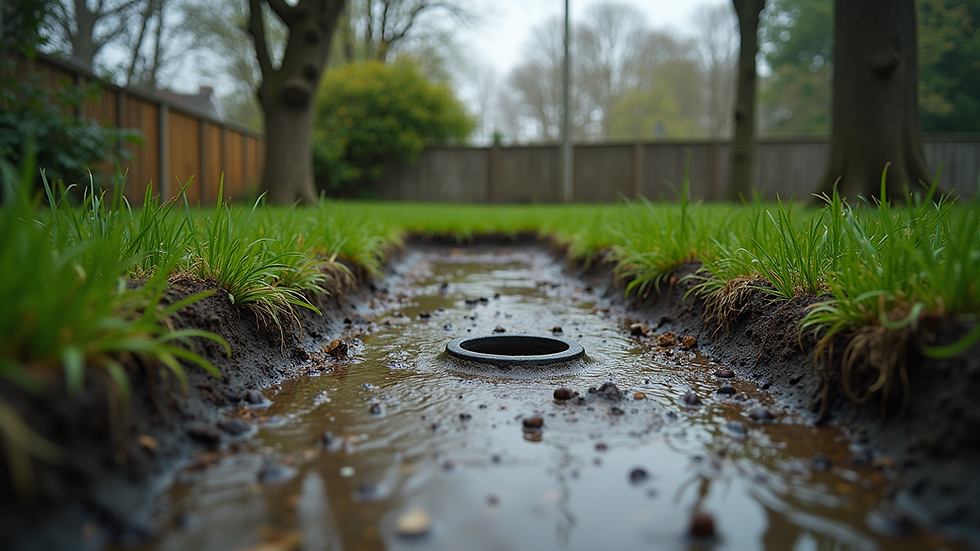
Pooling water or soggy spots: If you notice wet areas or lush green patches in your yard where the septic system is located, it could be leaking.
Gurgling sounds: Strange noises from your plumbing can indicate a blockage or failing system.
Sewage surfacing: This is the worst-case scenario. If sewage is coming up in your yard or basement, call for help immediately.
When you spot any of these signs, don’t delay. Contacting an emergency septic service right away can prevent costly damage and health hazards.
What to Do Immediately When You Have a Septic Emergency
Once you realize you have a septic emergency, here’s what you should do right away:
Stop using water: Every drop of water you use adds to the problem. Avoid flushing toilets, running taps, or using appliances.
Avoid the affected area: Stay away from any wet or smelly spots to protect your health.
Call a professional: Reach out to a trusted septic company that offers emergency septic service. They have the tools and expertise to diagnose and fix the issue fast.
Prepare for inspection: Clear access to your septic tank and drain field so the technicians can work efficiently.
Document the problem: Take notes or photos of what you see. This can help the professionals understand the situation better.
Taking these steps can minimize damage and speed up repairs. Remember, septic emergencies are not DIY jobs. Trying to fix it yourself can make things worse.
How much will it cost to empty a septic tank?
One of the most common questions I get is about the cost of emptying a septic tank. It’s important to know this because regular pumping is key to preventing emergencies.
The cost to empty a septic tank varies depending on several factors:
Tank size: Larger tanks cost more to pump.
Location: Accessibility of the tank affects the price.
Frequency: If you’ve neglected pumping for years, it might cost more due to sludge buildup.
Company rates: Prices differ between service providers.
On average, you can expect to pay between $250 and $500 to have your septic tank pumped. It might seem like a lot, but it’s a small price compared to the cost of emergency repairs or system replacement.
Regular maintenance, including pumping every 3 to 5 years, is the best way to avoid costly emergencies. If you’re unsure when your tank was last emptied, now is a good time to schedule it.
Preventing Future Septic Emergencies: Tips That Work
Prevention is always better than cure. Here are some simple but effective tips to keep your septic system running smoothly and avoid emergencies:
Use water wisely: Fix leaks and spread out laundry loads to reduce strain on your system.
Avoid flushing harmful items: Don’t flush wipes, grease, or chemicals that can clog or kill beneficial bacteria.
Protect your drain field: Keep heavy vehicles and structures off the drain field to prevent damage.
Schedule regular inspections and pumping: A professional check-up every few years can catch problems early.
Plant carefully: Avoid planting trees or shrubs with invasive roots near your septic system.
By following these tips, you’ll extend the life of your septic system and save yourself from stressful emergencies.

Why Choosing the Right Emergency Septic Service Matters
When you face a septic emergency, the company you call can make all the difference. You want a team that is:
Experienced and licensed: They know the local regulations and soil conditions.
Available 24/7: Septic problems don’t wait for business hours.
Equipped with modern tools: To diagnose and fix issues quickly.
Transparent with pricing: No hidden fees or surprises.
Committed to customer satisfaction: They explain the problem and options clearly.
Choosing the right emergency septic service means faster repairs, less damage, and peace of mind. Don’t settle for less when your home’s health is on the line.
Taking Control of Your Septic System’s Health
Handling emergency septic system issues effectively is all about being prepared and informed. When you know the signs, act quickly, and work with trusted professionals, you can avoid costly damage and keep your home safe.
Remember, septic emergencies are urgent but manageable. Keep this urgent septic services guide handy, and don’t hesitate to reach out for help when you need it. Your septic system is a vital part of your home - treat it with care, and it will serve you well for years to come!


Comments