
Top Solutions for Fixing a Leaky Basement: Your Guide to Basement Water Control
- Jun 22
- 4 min read
A leaky basement can be a nightmare. It’s frustrating, it can damage your home, and it often feels like a problem that never goes away. But don’t worry! I’ve been there, and I want to share some practical, straightforward solutions to help you get your basement dry and keep it that way. Basement water control is essential, especially in areas prone to heavy rain or snowmelt. Let’s dive into the best ways to tackle this issue head-on.https://amaexcavationanddrainage.com
Understanding Basement Water Control: What You Need to Know
Before jumping into fixes, it’s important to understand what basement water control really means. It’s all about managing water around your home so it doesn’t seep into your basement. Water can enter through cracks, poor drainage, or even high groundwater levels. If you don’t control it, you’ll face mold, structural damage, and a damp, uncomfortable space.
Here’s what I’ve learned: effective basement water control starts outside your home. That means looking at your gutters, downspouts, and the slope of your yard. Water should always flow away from your foundation, not toward it. Simple fixes like cleaning gutters or extending downspouts can make a huge difference.
Inside your basement, you want to check for cracks or holes in the walls and floors. These are common entry points for water. Sealing them properly is a must. But sometimes, the problem is bigger and needs professional help, like installing a sump pump or interior drainage system.

Why is my basement leaking after a heavy rain?
Heavy rain can overwhelm your home’s drainage system, causing water to pool around your foundation. When this happens, water pressure builds up against your basement walls and floor. This pressure forces water through even the smallest cracks or porous concrete.
Another reason is clogged or damaged gutters and downspouts. If they can’t carry water away properly, it spills near your foundation. Also, if your yard slopes toward your house, rainwater naturally flows downhill and collects near your basement walls.
Sometimes, the soil around your home becomes saturated and can’t absorb any more water. This leads to groundwater rising and seeping into your basement. If you notice leaks only after heavy rain, it’s a sign your drainage system needs an upgrade.
To prevent this, make sure your gutters are clean and downspouts direct water at least 6 feet away from your home. Consider grading your yard so it slopes away from the foundation. And if water still gets in, it might be time to look at more advanced solutions.
Practical Steps to Fix a Leaky Basement
Now, let’s get to the heart of the matter: how to fix a leaky basement. Here are some solutions that I’ve found effective, whether you want to try a DIY approach or call in the pros.
1. Clean and Maintain Gutters and Downspouts
This is the easiest and cheapest fix. Gutters clogged with leaves and debris cause water to overflow near your foundation. Clean them regularly, especially in fall and spring. Make sure downspouts extend far enough away from your home to prevent water pooling.
2. Improve Yard Grading
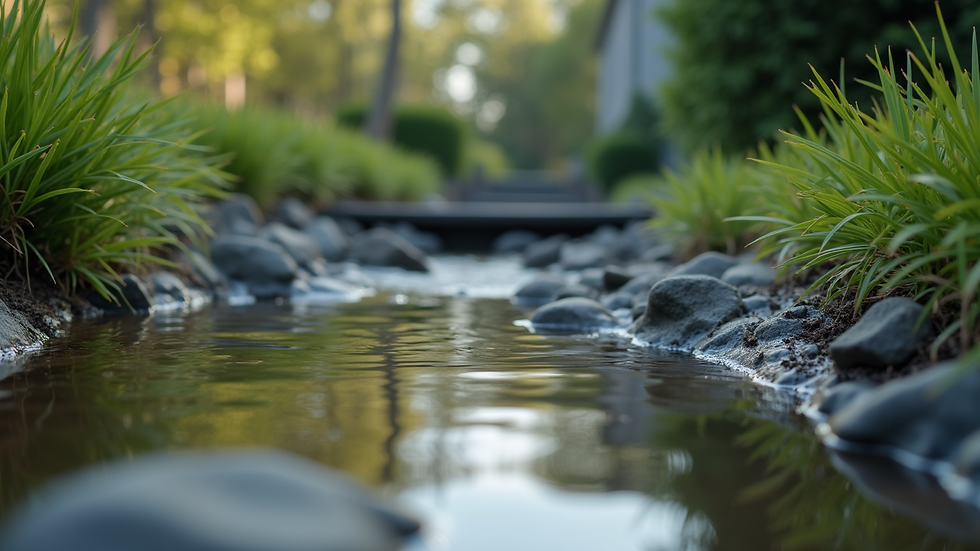
Your yard should slope away from your house at a rate of about 2% (or 2 cm per meter). This helps water flow away naturally. If your yard slopes toward your home, you can add soil to create a gentle slope or install a French drain to redirect water.
3. Seal Cracks and Gaps
Inspect your basement walls and floors for cracks. Use hydraulic cement or waterproof sealant to fill them. This stops water from seeping through. Remember, this is a temporary fix if the water pressure is high, but it’s a good start.
4. Install a Sump Pump
A sump pump is a lifesaver for basements prone to flooding. It collects water in a pit and pumps it away from your home. If you don’t have one, consider installing it. If you already have one, test it regularly to make sure it works.
5. Interior Drainage Systems
For serious leaks, an interior drainage system might be necessary. This involves installing a drainage channel along the basement perimeter that collects water and directs it to a sump pump. It’s a more involved solution but very effective.
6. Exterior Waterproofing
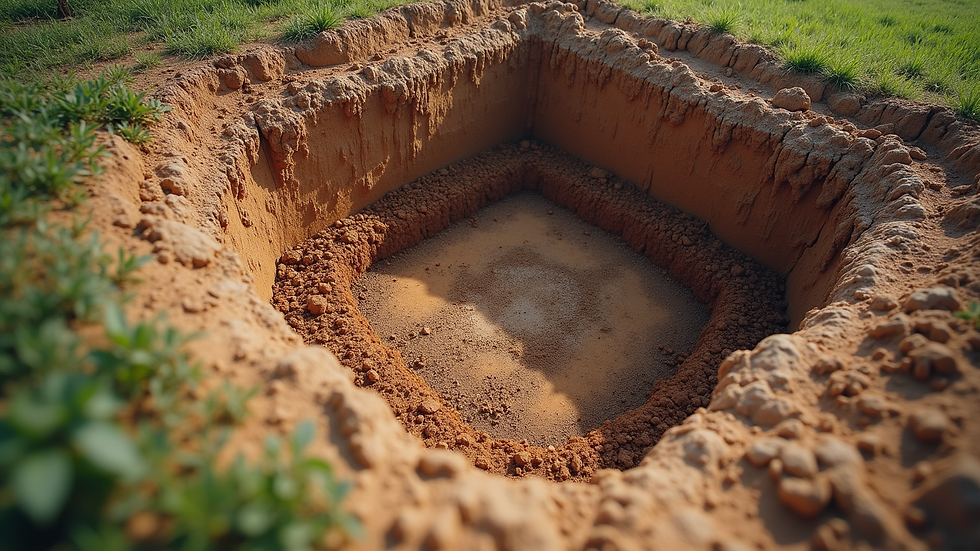
This is the most comprehensive fix. It involves excavating around your foundation, applying waterproof coatings, and installing drainage membranes. It’s expensive but often the best long-term solution for persistent leaks.
When to Call a Professional for Basement Water Control
Sometimes, the problem is bigger than a quick fix. If you’ve tried cleaning gutters, sealing cracks, and improving grading but still have water issues, it’s time to call in experts. Professionals can assess your home’s unique situation and recommend the best solutions.
They can install advanced drainage systems, sump pumps, or exterior waterproofing that you might not be able to do yourself. Plus, they have the right tools and experience to get the job done right the first time.
Remember, ignoring a leaky basement can lead to costly repairs down the road. Mold, wood rot, and foundation damage are serious problems. Don’t wait until it’s too late!
Final Thoughts on Keeping Your Basement Dry and Safe
Fixing a leaky basement is all about taking action early and using the right solutions. From simple gutter maintenance to professional waterproofing, there are options for every budget and situation. The key is to understand the source of the water and address it directly.
If you want to explore more about leaky basement solutions, there are plenty of resources and experts ready to help. Don’t let water damage ruin your home. Take control today and enjoy a dry, safe basement for years to come!


Comments