
Factors Influencing Septic Inspection Pricing
- Mickey Mouse

- Jun 3
- 4 min read
When it comes to maintaining your home’s septic system, one thing is clear: regular inspections are a must. But have you ever wondered why the septic inspection pricing can vary so much? I’ve been through this myself, and I want to share what I’ve learned. Understanding the factors that influence the cost can help you plan better and avoid surprises. Let’s dive in!
What Affects Septic Inspection Pricing?
Septic inspection pricing isn’t a one-size-fits-all deal. Several factors come into play, and knowing them can save you time and money. Here are the main things that impact the price:
Size of the septic system: Larger systems take more time and effort to inspect.
Age of the system: Older systems might need a more thorough check.
Location and accessibility: If your septic tank is hard to reach, expect higher costs.
Type of inspection required: Some inspections are basic, while others are more detailed.
Additional services: Things like pumping or repairs during the inspection add to the cost.
Each of these factors can change the price significantly. Let’s break them down further.

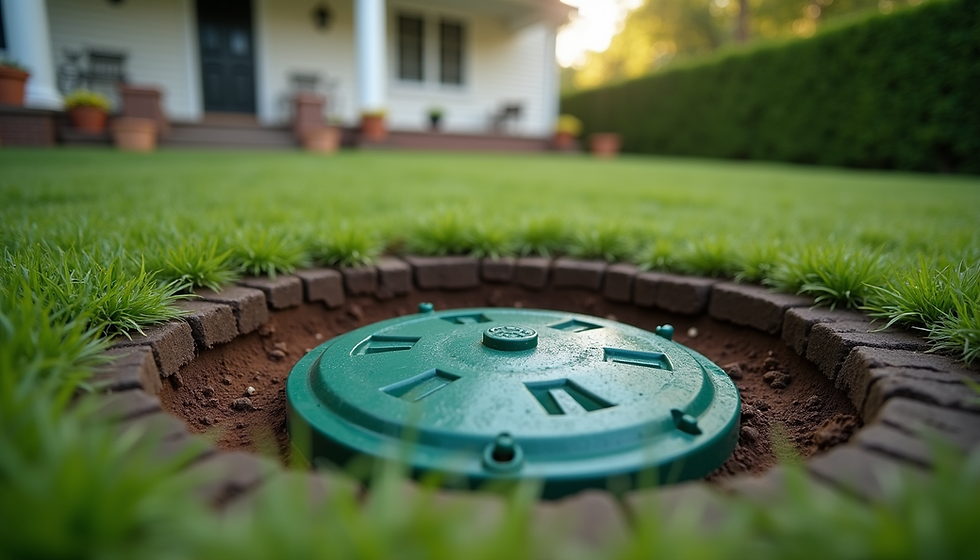
Septic tank accessibility can affect inspection pricing.
Size and Age of Your Septic System
The size of your septic system is a big deal. A small system servicing a two-bedroom home is easier and quicker to inspect than a large system for a bigger house. Inspectors need to check all components, so more parts mean more work.
Age matters too. Older systems might have hidden issues that require extra attention. Inspectors often spend more time looking for signs of wear, damage, or outdated components. This thoroughness can increase the cost.
If you have a newer, smaller system, your inspection will likely be on the lower end of the price range. But if your system is older or larger, expect to pay more.
Location and Accessibility Challenges
Where your septic system is located can make a huge difference. If it’s easy to find and access, the inspection goes smoothly. But if the tank is buried deep, covered by landscaping, or in a tricky spot, the inspector will need extra time and tools to get the job done.
For example, if the tank lid is buried under a thick layer of soil or hidden by shrubs, the inspector might need to dig or use special equipment. This adds to the labor and time, which means higher costs.
Also, if your property is in a remote or hard-to-reach area, travel time and expenses might be factored into the price. So, don’t be surprised if your location bumps up the cost a bit.

Locating a septic tank in difficult terrain can increase inspection costs.
Types of Septic Inspections and Their Impact on Price
Not all septic inspections are created equal. You might need a simple visual check or a full, detailed inspection. Here’s a quick look at common types:
Basic visual inspection: The inspector looks for obvious signs of problems without opening the tank. This is the cheapest option.
Standard inspection: The tank is opened, and the inspector checks the sludge and scum levels, pipes, and drain field.
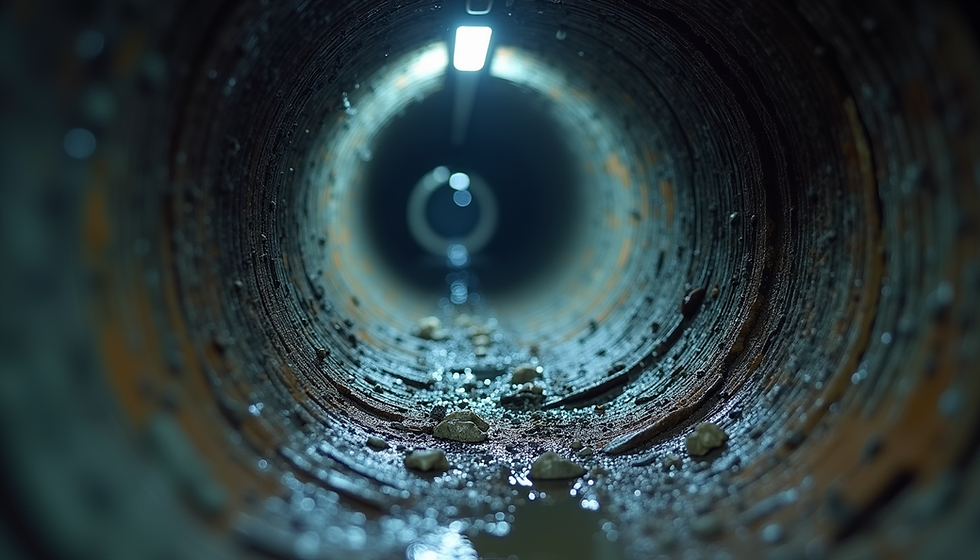
Comprehensive inspection: Includes everything in a standard inspection plus water tests, soil analysis, and sometimes camera inspections of pipes.
The more thorough the inspection, the higher the price. If you’re buying or selling a home, a comprehensive inspection is often required. But for routine maintenance, a standard inspection usually suffices.
Additional Services That Can Affect Pricing
Sometimes, the inspection reveals issues that need immediate attention. This can include:
Pumping out the septic tank
Repairing damaged pipes or components
Cleaning the drain field
Installing risers for easier future access
These services add to the overall cost but are crucial for keeping your system healthy. It’s better to address problems early than face costly repairs later.
If you want to keep your septic system in top shape, consider scheduling regular inspections and maintenance. This proactive approach can save you money in the long run.
How to Prepare for Your Septic Inspection
You can help keep costs down by preparing your property before the inspection. Here are some tips:
Clear the area around the septic tank and drain field.
Provide any previous inspection or maintenance records.
Mark the location of your septic system if you know it.
Avoid heavy vehicle traffic over the drain field before the inspection.
Being prepared makes the inspector’s job easier and faster, which can reduce the price.
If you want to learn more about what to expect, check out this detailed guide on septic system inspection cost.
Why Investing in a Quality Inspection Pays Off
I know it might be tempting to go for the cheapest inspection, but trust me, quality matters. A thorough inspection can catch problems early, saving you from expensive repairs or system failure.
Think of it like a health check-up for your home’s septic system. You want someone who knows what to look for and won’t miss hidden issues. Investing in a good inspection is investing in peace of mind.
Getting your septic system inspected doesn’t have to be confusing or stressful. By understanding the factors that influence septic inspection pricing, you can make informed decisions and keep your system running smoothly. Remember, a well-maintained septic system protects your home and the environment. So, don’t wait - schedule your inspection today!

Thank you for sharing such valuable information. The straightforward approach makes this article useful for homeowners looking to make informed decisions. Learning about septic tank pumping cost can help property owners better prepare for regular septic maintenance.