
Essential Tips for Upgrading Your Septic System Before the Rainy Season
- Mickey Mouse

- Jun 30
- 3 min read
Upgrading your septic system before the rainy season is a smart move to avoid costly repairs and environmental damage. When heavy rains arrive, an outdated or poorly maintained septic system can fail, leading to backups, leaks, and contamination of your property. Taking action during the summer months gives you the best chance to upgrade your septic drainfield, sewer pipes, and septic tank efficiently and effectively.
This guide covers everything you need to know about preparing your septic system for the rainy season, including signs that you need an upgrade, the benefits of early maintenance, and practical steps to take. Whether you live in Langley, BC, or nearby areas like Walnut Grove, Brookswood, or Fort Langley, this information will help you protect your home and environment.

Septic drainfield upgrade with new pipes and gravel
Why Upgrading Your Septic System Before Rain Matters
Septic systems rely on soil absorption to treat wastewater. When the ground becomes saturated with rainwater, the system struggles to function properly. This can cause:
Backups inside your home
Pooling of wastewater on your lawn
Damage to your drainfield and pipes
Contamination of nearby water sources
Upgrading your system during dry summer months allows contractors to work without weather delays and gives your new components time to settle before heavy rains. It also reduces the risk of emergency repairs during the wet season, which can be more expensive and disruptive.
Signs You Need a Septic System Upgrade
Not every septic system needs an upgrade every year, but certain signs indicate it’s time to act:
Slow draining sinks, tubs, or toilets
Unpleasant odors around your septic tank or drainfield
Wet or soggy areas in your yard, especially near the drainfield
Sewage backups inside your home or basement
Age of the system over 20 years without major repairs
If you notice any of these issues, call a professional plumber to inspect your system. Early detection can save you thousands in repairs.
Key Components to Upgrade Before the Rainy Season
Septic Drainfield
The drainfield is where treated wastewater disperses into the soil. Over time, pipes can clog, and soil can become compacted or saturated. Upgrading your drainfield may involve:
Replacing old or damaged pipes
Adding new gravel or sand layers to improve drainage
Expanding the drainfield area if your household size has increased
Sewer Pipes
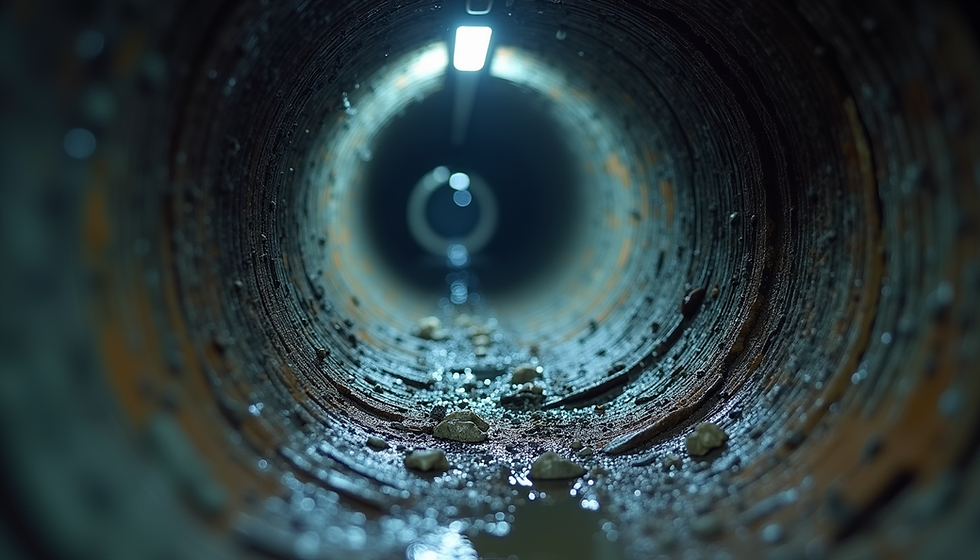
Sewer pipes carry wastewater from your home to the septic tank. Cracks, blockages, or root intrusion can cause leaks and backups. Upgrading sewer pipes includes:
Replacing corroded or broken pipes with durable materials
Clearing blockages using professional tools
Installing pipe liners to extend pipe life without excavation
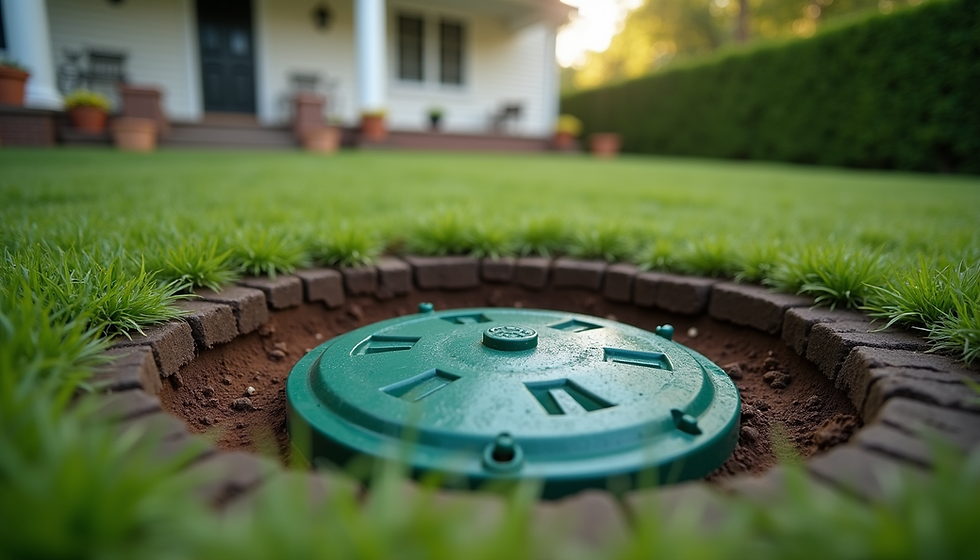
Septic Tank
Your septic tank separates solids from liquids and starts the treatment process. Tank upgrades might involve:
Pumping and cleaning to remove sludge buildup
Repairing or replacing damaged lids and baffles
Installing risers for easier future access
Replacing an old tank with a larger or more efficient model
How to Prepare for Your Septic System Upgrade
Schedule a Professional Inspection
Call a licensed plumber or septic service to inspect your system. They will assess the condition of your tank, pipes, and drainfield and recommend necessary repairs or upgrades.
Clear the Area Around Your Septic System
Remove any obstacles like plants, debris, or heavy equipment near the septic tank and drainfield. This makes it easier for contractors to work and prevents damage to your landscaping.
Plan for Temporary Disruptions
Upgrading your septic system may require excavation and heavy machinery. Plan for limited access to your yard and possible water usage restrictions during the work.
Obtain Necessary Permits
Check with your local municipality in Langley or surrounding areas to ensure all permits are in place before starting work. This helps avoid fines and ensures compliance with environmental regulations.
Benefits of Upgrading Your Septic System Early
Prevents costly emergency repairs during the rainy season
Protects your home from sewage backups and water damage
Improves wastewater treatment and reduces environmental impact
Increases the lifespan of your septic system components
Enhances property value and curb appeal
Choosing the Right Septic Service in Langley, BC
Look for a septic repair company with experience in your area, such as Langley and nearby communities like Pitt Meadows, Maple Ridge, and Surrey. A local expert understands soil conditions, weather patterns, and municipal requirements.
Call 778-868-9580 to schedule an inspection or upgrade consultation. The team can help with:
Septic tank pumping and repairs
Sewer pipe replacement and cleaning
Drainfield upgrades and expansions
Maintenance plans to keep your system running smoothly
Maintenance Tips to Keep Your Septic System Healthy
After upgrading, maintain your system with these simple steps:
Have your septic tank pumped every 3 to 5 years
Avoid flushing non-biodegradable items or grease
Limit water use during heavy rains
Keep heavy vehicles off the drainfield
Plant only grass or shallow-rooted plants near your system

Comments