
Essential Septic Upkeep Tips for a Healthy System
- Mickey Mouse

- Jun 8
- 4 min read
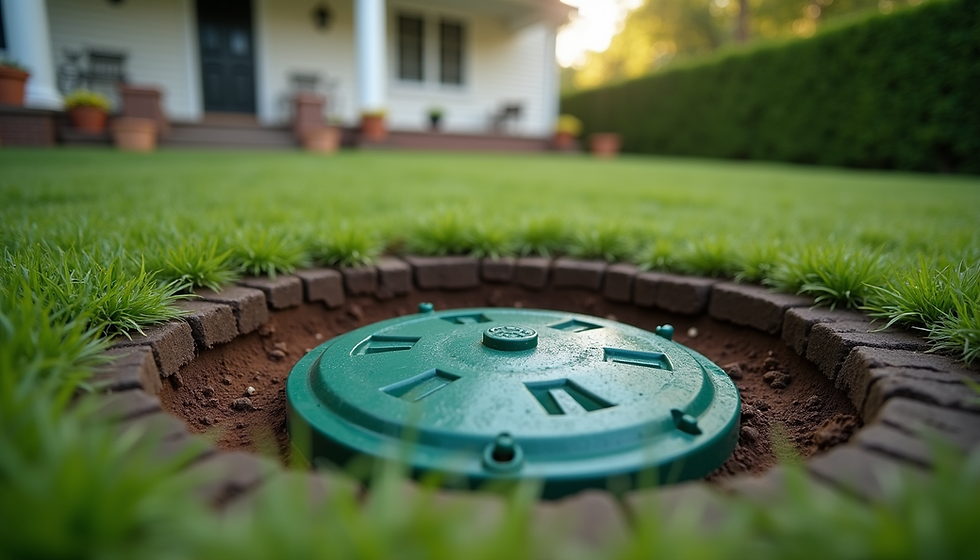
Taking care of your septic system is crucial to avoid costly repairs and keep your home safe and clean. I’ve learned that regular maintenance is the key to a trouble-free septic system. If you want to save money and prevent headaches, you need to know the right steps to keep your system running smoothly. Let me share some effective septic upkeep tips that will help you protect your investment and your property.
Why Septic Upkeep Tips Matter
Septic systems work quietly underground, but they need attention just like any other part of your home. Ignoring your septic system can lead to backups, foul smells, and even environmental damage. The good news? With simple, regular care, you can avoid these problems.
Here’s why septic upkeep tips are so important:
Prevent costly repairs: Fixing a damaged septic system can cost thousands. Regular care keeps your system healthy and saves you money.
Protect your property: A failing septic system can contaminate your yard and water supply.
Extend system life: Proper maintenance helps your septic system last longer.
Avoid health risks: A well-maintained system prevents harmful bacteria from spreading.
By following these septic upkeep tips, you’re making a smart choice for your home and family.

Top Septic Upkeep Tips You Can Start Today
Let’s get into some practical septic upkeep tips you can use right now. These are easy to follow and will make a big difference.
Get your tank pumped regularly
The most important tip is to have your septic tank pumped every 3 to 5 years. This removes the sludge and scum that build up over time. Don’t wait for problems to show up - schedule pumping before issues arise.
Watch what you flush
Only flush human waste and toilet paper. Avoid flushing wipes, feminine products, grease, or chemicals. These can clog your system or kill the helpful bacteria that break down waste.
Conserve water
Using too much water stresses your septic system. Fix leaks, install water-saving fixtures, and spread out laundry loads to reduce water flow.
Protect your drain field
Keep heavy vehicles and equipment off the drain field. Don’t plant trees or shrubs nearby, as roots can damage pipes.
Use septic-safe products
Choose cleaning products that are safe for septic systems. Harsh chemicals can kill the bacteria your system needs to work properly.
Inspect your system annually
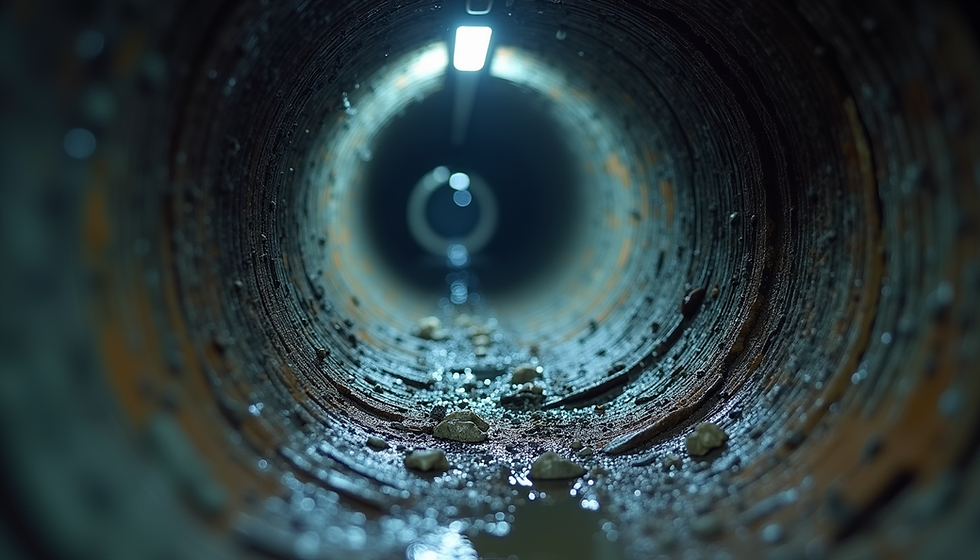
Check for signs of trouble like slow drains, bad smells, or wet spots in your yard. Early detection can save you from bigger problems.
By following these septic upkeep tips, you’ll keep your system in great shape and avoid emergencies.
What should I put in my septic tank every month?
You might wonder if there’s anything special you should add to your septic tank regularly. The truth is, your septic system relies on natural bacteria to break down waste. Here’s what you need to know:
Avoid additives: Most commercial septic tank additives are unnecessary and can even harm your system.
Maintain bacteria naturally: The bacteria in your tank thrive on the waste you flush. Just avoid chemicals and excessive bleach that kill these helpful microbes.
Use septic-safe cleaners: These help keep your system balanced without harming bacteria.
In short, you don’t need to put anything special in your septic tank every month. Just keep it free from harmful chemicals and follow the other septic upkeep tips.

How to Handle Common Septic System Problems
Even with the best septic upkeep tips, problems can happen. Knowing how to spot and handle them early is vital.
Slow drains: This could mean a clog or a full tank. Try using a plunger or drain snake, but if it persists, call a professional.
Bad odors: Smells near your tank or drain field usually mean a leak or blockage. Don’t ignore this - it’s a sign your system needs attention.
Wet spots or lush grass: Extra moisture over your drain field can indicate a failing system.
Sewage backup: This is an emergency. Stop using water and call a septic expert immediately.
If you notice any of these signs, act fast. Quick action can prevent damage and costly repairs.
Scheduling Professional Inspections and Pumping
Regular professional inspections are a must. A septic expert can check your system’s condition and recommend pumping or repairs. Here’s what to expect:
Inspection every 1 to 3 years: A pro will check the tank, pipes, and drain field.
Pumping every 3 to 5 years: Depending on your household size and water use, pumping frequency may vary.
Repairs as needed: Early fixes prevent bigger problems.
Don’t wait for a problem to call a professional. Schedule regular check-ups to keep your system healthy.
Taking care of your septic system doesn’t have to be complicated. By following these septic upkeep tips, you’ll protect your home and avoid costly repairs. Remember, regular care and attention are the best ways to keep your system working well for years to come. If you want to learn more about septic system maintenance, check out trusted local experts who can help you stay on top of your system’s needs. Your home deserves it!

I really enjoyed reading this article. The author explains the topic in a way that's both practical and easy to understand. Helpful resources like this make it easier for homeowners to make informed decisions. Anyone researching septic tank pumping cost should also understand how regular maintenance can help prevent expensive repairs.