
Effective Solutions for Brookswood Sewer Line Repair and Managing Sewer Backup Issues
- Mickey Mouse

- Apr 27
- 3 min read
Sewer backups can cause serious damage to homes and disrupt daily life. In Brookswood, where aging infrastructure and heavy rainfall can increase the risk of sewer problems, knowing how to handle sewer line repair and prevent backups is essential. This post explores practical solutions to common sewer issues, helping homeowners protect their property and maintain a healthy plumbing system.
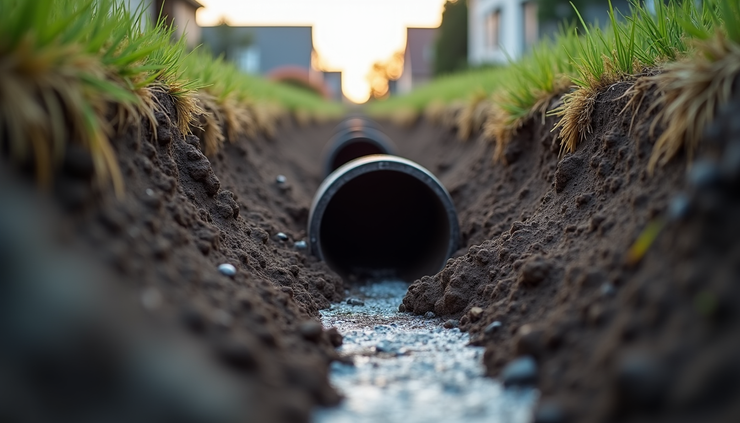
Understanding Sewer Backup Causes in Brookswood
Sewer backups happen when wastewater flows back into your home instead of draining away. Several factors contribute to this problem:
Tree root intrusion: Roots from nearby trees can grow into sewer pipes, causing blockages and cracks.
Pipe damage: Old or broken pipes may collapse or develop leaks, restricting flow.
Heavy rainfall and flooding: Excess water can overwhelm the sewer system, leading to backups.
Grease and debris buildup: Improper disposal of grease, wipes, and other materials clogs pipes.
Municipal sewer issues: Problems in the city’s sewer lines can affect your home’s drainage.
Recognizing these causes helps homeowners take targeted action to prevent or fix backups.
Signs You Need Sewer Line Repair
Early detection of sewer problems can save you from costly repairs. Watch for these warning signs:
Slow drains in sinks, tubs, or toilets
Gurgling sounds from drains or toilets
Foul odors coming from drains or the yard
Water pooling in the basement or yard
Sewage backups inside the home
If you notice any of these symptoms, it’s time to call a professional for inspection and repair.
Common Sewer Line Repair Methods
Repairing sewer lines depends on the extent and location of the damage. Professionals use several techniques:
Pipe lining (trenchless repair): A resin-coated liner is inserted into the damaged pipe, creating a new pipe inside the old one without digging up the yard.
Pipe bursting: The old pipe is broken apart while a new pipe is pulled through the same path.
Traditional excavation: Digging up the damaged section and replacing it with new pipe.
Spot repair: Fixing small cracks or leaks without replacing the entire pipe.
Trenchless methods are less disruptive and often faster, but traditional excavation may be necessary for severe damage.
Preventing Sewer Backups in Brookswood Homes
Prevention is the best way to avoid sewer backups. Here are practical steps homeowners can take:
Regular inspections: Have your sewer lines inspected every few years, especially if your home is older.
Proper disposal: Avoid flushing wipes, grease, and non-degradable items down drains.
Tree management: Plant trees away from sewer lines and remove roots that threaten pipes.
Install backwater valves: These devices prevent sewage from flowing back into your home during heavy rain or municipal backups.
Maintain gutters and drainage: Ensure rainwater is directed away from your foundation to reduce pressure on sewer lines.
Taking these actions reduces the risk of backups and extends the life of your sewer system.
What to Expect During a Sewer Line Repair
Understanding the repair process helps homeowners prepare and reduce stress:
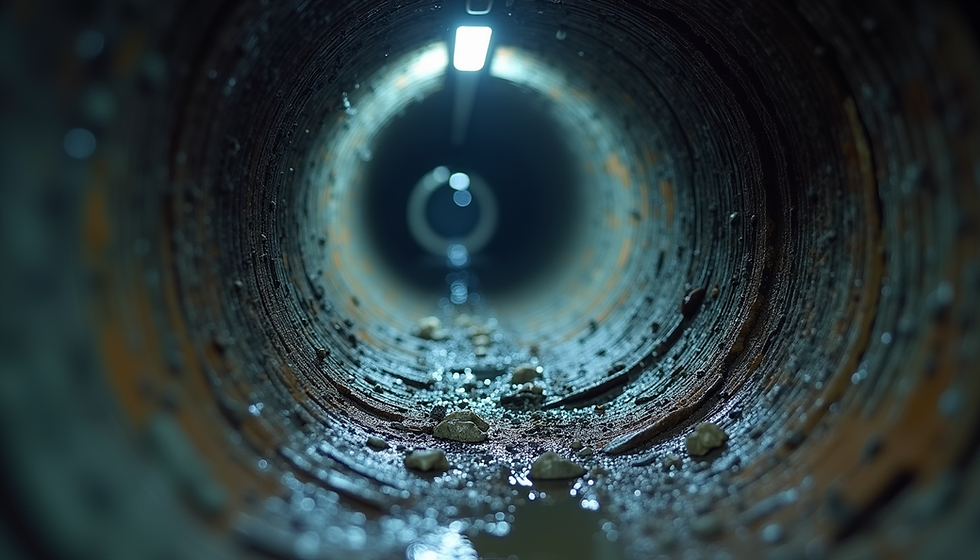
Inspection: A camera is inserted into the sewer line to locate damage.
Assessment: The plumber recommends the best repair method based on the inspection.
Preparation: The work area is cleared, and necessary permits are obtained.
Repair: The chosen method is applied, which may take from a few hours to a couple of days.
Cleanup: The site is restored, and the system is tested to ensure proper flow.
Professional plumbers in Brookswood prioritize minimizing disruption and restoring your sewer system efficiently.
Costs and Considerations for Sewer Line Repair
Repair costs vary depending on the method and damage severity. Typical factors include:
Length and location of damaged pipe
Repair technique used
Accessibility of the sewer line
Permits and inspections required
Trenchless repairs usually cost more upfront but save money on landscaping and restoration. Traditional excavation may be cheaper initially but can lead to higher overall expenses due to yard repair.
When to Call a Professional
Sewer line repair is complex and requires specialized tools and expertise. Homeowners should contact licensed plumbers if they experience:
Persistent sewer backups
Visible pipe damage or collapse
Sewage odors that don’t go away
Water pooling near the foundation
Attempting DIY repairs can worsen the problem and pose health risks. Professionals ensure safe, effective solutions.
Maintaining Your Sewer System Long-Term
After repairs, maintaining your sewer system prevents future issues:
Schedule routine inspections and cleanings
Use drain strainers to catch debris
Avoid pouring grease or harsh chemicals down drains
Monitor tree growth near sewer lines
Install protective devices like backwater valves if needed
Regular care keeps your sewer lines functioning smoothly and protects your home.

Comments